What airports get right that stores still miss
Millions of people are moving through airports, tired, rushed, distracted, and emotionally loaded. And yet, airports often handle flow, clarity, and commercial intent better than many stores.
DESIGNGROCERYTHOUGHT LEADERSHIP
12/30/20251 min read
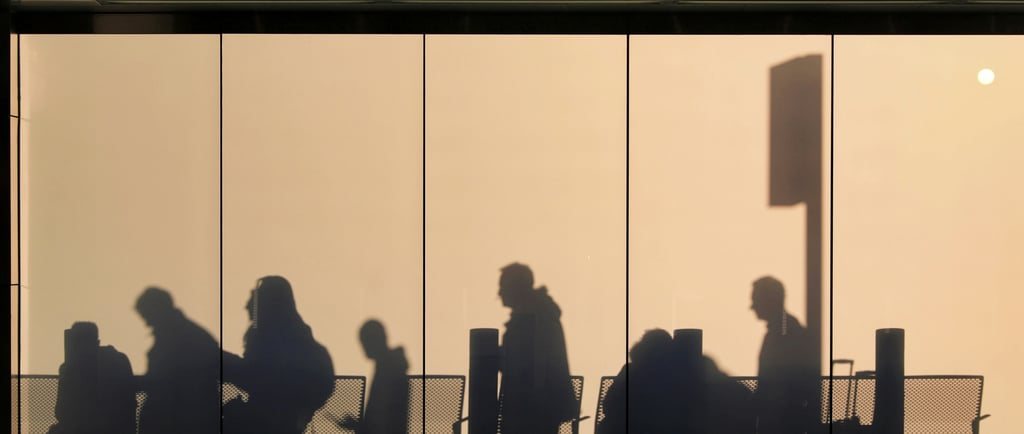
Holiday travel puts people in a mindset grocery stores increasingly share: rushed, distracted, and focused on getting a job done. Airports design for this reality. Most grocery stores still don’t.
That gap reveals a useful signal.
1. Airports design for intent, not browsing
Travellers move through airports with one clear mission: reach the gate. Everything else is secondary. Airports accept this and build retail around it. Food, convenience, and gifting appear along the journey, not as destinations that require detours. Many grocery stores still design around browsing and discovery, even though a growing share of trips are top-up, tonight’s dinner, or click-and-collect add-ons.
2. Flow beats “experience” at peak moments
Airports obsess over flow because congestion breaks everything, including safety, spend, and satisfaction. Sightlines are clear. Signage is simple. Decision points are obvious. Grocery stores often do the opposite at busy times, with promotional stacks blocking narrow aisles, signage competes for attention, and layout changes add friction.
3. Retail that fits emotional reality performs better
Holiday travellers are tired and time-poor. Airports design environments to reduce anxiety through repetition, reassurance, and visible progress. Grocery stores frequently underestimate emotional load, especially after work, during weekends, or in holiday trading. Constant resets, rotating promotions, and inconsistent navigation increase effort when shoppers least want it.
Design lessons for grocery stores
Clearer “main routes” for fast trips
Fewer, stronger signposts for everyday missions
Convenience and food placed along the journey, not hidden at the edges
Less layout change in high-traffic zones
Final signal
Airports succeed because they design for how people actually behave under pressure. Grocery stores still often design for how they wish shoppers would behave. As grocery trips become shorter, faster, and more purposeful, the airport model offers a clear signal: flow, clarity, and intent win, especially when time is tight.